
Comprehensive Marine Transit Insurance Policy for Businesses

Protect shipments, cargo and transit of goods from loss of damage due to Inland / Import / Export with a customizable marine transit insurance specifically for your businesses.

Comprehensive Asset Insurance

For tailored insurance coverage, share your details—our experts will reach out promptly.

Significance of Marine Transit Insurance

Safeguards businesses against financial losses from accidental damage of goods, theft, fire, or natural disasters during transit by road, rail, air, and/or sea. Promotes inland and global trade by providing security and confidence to buyers/sellers, shippers, and carriers. Transfers risk to insurers, ensuring stability, smooth logistics, quick recovery from unexpected loss, and supply chain continuity across domestic/international transport networks.

Why Asset Insurance Matters

Protect What Drives Your Business

Gain financial stability and reduce risks with robust marine protection insurance.

  • Financial Protection:

Marine insurance shields your goods and cargo from financial losses caused by accidents, theft, fire, or natural calamities during transportation—keeping your business financially stable.

  • Business Continuity:

Marine insurance enables companies to sustain operations amidst unexpected maritime losses. It protects against cargo damage and loss, allowing quick recovery, fulfilling contracts, maintaining supply chains, and preventing operational downtime.

  • Risk Management:

A customized marine insurance policy effectively mitigates transit-related risks, including collisions, piracy, and weather-related damage, safeguarding your logistics operations from start to finish.

  • Customer and Partner Confidence:

Reliable transit protection builds trust among customers, suppliers, and partners, assuring safe transportation and liability coverage.

  • Legal and Contract Compliance:

Effortlessly comply with domestic and international transit of goods regulations and contractual obligations without penalties or litigation.

  • Peace of Mind: Trade with confidence knowing your cargo, products, and transport units are protected from unexpected transit hazards, enabling predictable growth.
Business Protection

Who Really Needs Marine Transit Insurance?

Discover the industries that gain maximum protection and peace of mind with comprehensive marine transit insurance.

Have you considered who truly needs all-inclusive marine transit insurance? It extends beyond large corporations—SMEs across industries utilize marine transit insurance to safeguard cargo and products during transit.

Manufacturers who deal domestically need inland and who deal globally need import and export marine transit insurance to protect shipments from losses due to accidents, adverse weather, piracy, or theft. This coverage ensures raw materials, machineries, equipment and finished products are delivered securely, facilitating smooth production. Wholesale, distributors, retail, and online businesses benefit from protecting their supply chains and avoiding significant inventory losses. Additionally, logistics companies, transport services and freight forwarders rely on marine transit insurance to provide dependable service and build client trust.

In simple terms, if your business involves shipping, receiving, or transporting products—locally or internationally—investing in a tailored marine insurance policy protects your trade and operations from unforeseen interruptions.

Types of Coverage under Marine Transit Insurance

Marine Transit Insurance protects your cargo, goods, and shipments against loss, damage, and theft during transit. Key offerings include

Sales Turn-Over Policy

Sales Turn-Over Policy

A comprehensive coverage for all types of transits, including imports, exports, inland purchases, and customs duties.

Open Inland Transit

Open Inland Transit

Customized insurance covering goods transported within India via road, rail, air, or sea, safeguarding against theft, damage, or loss.

Open Import Transit

Open Import Transit

Protects goods imported from anywhere globally to India through various transport methods, covering theft, damage, and customs duties.

Open Export

Open Export

Insurance for goods exported from India to global destinations, covering theft, damage, loss, and customs duties.

Specific Transit

Specific Transit

Coverage for a single inland, import, or export transit, protecting against loss, damage, and customs duties.

Over-Dimensional Cargo Transit Insurance (ODC)

Over-Dimensional Cargo Transit Insurance (ODC)

Covers oversized or heavy goods during transit, ensuring protection against loss, damage, or accidents.

How Parivaar guide you with Marine transit Insurance

Understand the process of securing, managing, and claiming protection for your goods efficiently.

Assess Your Shipments

Assess Your Shipments

Identify and evaluate all cargo requiring protection during transit based on risk associated as per INCO Terms.

Tailor made Suitable Coverage

Tailor made Suitable Coverage

Based on the assessment, we provide suitable plans with better cost effectiveness for you to choose.

Policy and Services

Policy and Services

Policy issuance/certificate of insurance from insurer. Your declaration and timely enhancement of sum insured services.

Claim When Needed

Claim When Needed

Provide expert assistance during claims for timely settlements.
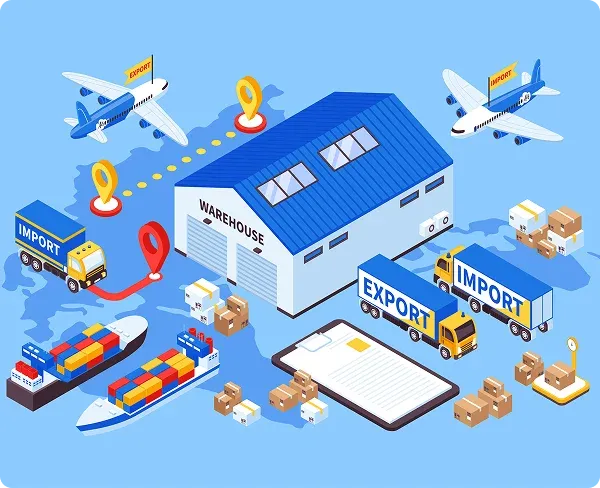
How-marine-insurance-works

Frequently Asked Questions

Clear answers to common questions about marine insurance, coverage, claims, and benefits for SMEs and business owners.

What is Marine Transit Insurance?

Marine transit insurance covers loss or damage to goods during transportation by sea, air, road, or rail, protecting the value of cargo against risks such as accidents, theft, or natural disasters throughout the transit period.

What does ITC (A) cover in Marine Transit Insurance?

ITC (A) coverage in marine transit insurance provides all-risk protection for goods during transit, covering loss, damage, theft, and external risks, unless specifically excluded in the policy wording.

What is the difference between ITC B and ITC C cover in Marine Transit Insurance?

ITC B, usually used for second-hand machinery, provides named-perils coverage for specific risks like fire, collision, or theft. Some insurers may offer ITC A coverage based on a satisfactory inspection report. In contrast, ITC C provides more restricted coverage, excluding certain transit risks and offering lower protection.

What is meant by War and SRCC?

War and SRCC (Strikes, Riots, and Civil Commotions) coverage in marine insurance protects cargo and vessels against extraordinary risks such as war, hostilities, rebellion, terrorism, strikes, riots, and civil unrest, ensuring financial protection beyond standard policy risks. It is an add-on cover that incurs an additional premium.

What are INCO Terms?

INCO Terms are standardized trade rules that define buyer and seller responsibilities in international trade, including transport, insurance, risk transfer, and customs. They ensure clarity, reduce disputes, and facilitate smooth global transactions. Examples include FOB (Free On Board), CIF (Cost, Insurance, and Freight), and EXW (Ex Works).

What is meant by Customs Duty Cover?

Customs duty cover in marine insurance protects importers against financial loss by reimbursing customs duties paid on damaged, lost, or destroyed goods during transit, ensuring compliance and minimizing unexpected expenses.

What is the basis of valuation, or how is the sum insured derived?

The insured value of goods is calculated, including cost, freight, insurance, and other expenses, which determines the compensation payable in case of loss or damage. It is typically the invoice value plus 10%.

Is internal damage to goods covered without any outer physical damage?

Generally, no. However, ITC (A) and ICC (A) policies cover internal damage only if it involves new goods accompanied by OEM packing.

What is the difference between ITC and ICC?

ITC refers to Indian Trading Conditions, which are standard clauses for domestic marine transit insurance in India. ICC refers to Institute Cargo Clauses, recognized internationally, covering marine cargo transit risks globally.

Is loading and unloading covered in a marine transit policy?

Yes, marine transit policies typically cover loading and unloading risks, protecting goods against loss or damage during handling at departure, transit, or destination points, depending on what is specified in the policy.

What is a Concealed Damage Clause?

The concealed damage clause in marine transit insurance, provided by insurers in ITC (A) or ICC (A) for new goods with OEM packing, allows claims for internal or hidden damage discovered after delivery, even without visible external damage. Claims under this clause typically must be made within 3 to 7 days from the delivery date, based on the policy terms.

What is OEM Packing?

OEM packing refers to the manufacturer's original packaging designed to protect goods during transit, maintain product integrity, support branding, and comply with standards, reducing damage risk and bolstering insurance claims.

What is the difference between standard and customary packages?

Standard packaging follows manufacturer or industry-approved methods, ensuring safety and compliance, while customary packaging is typical but may vary, often providing less protection and potentially affecting insurance coverage and risk during transit

What is meant by Over-Dimensional Cargo?

Over-dimensional cargo refers to goods exceeding standard size or weight limits, requiring special handling, equipment, and permits during transit. Insurance covers potential damage, loss, or accidents due to their exceptional dimensions.

What is meant by Pilferage?

Pilferage refers to the theft of part of a shipment or cargo during transit, often involving small quantities. Marine insurance may cover such losses if included in the policy.

What is meant by Jettison?

Jettison is the deliberate act of throwing cargo overboard from a ship during emergencies, such as storms, to save the vessel. Marine insurance typically covers such losses under general average rules.

What is meant by General Average?

General Average is a maritime principle where all parties in a sea voyage proportionally share losses incurred voluntarily, such as by jettisoning cargo to save the ship. Marine insurance covers their contributions.

What is meant by Policy Excess?

Policy excess in marine insurance is the fixed amount or percentage the insured must bear in the event of a claim. This reduces small claims and lowers premium costs for the policyholder.

What is meant by Subrogation, and why is it important?

Subrogation in marine insurance is the insurer’s right to recover claim amounts from a third party responsible for the loss. It's important for preventing double compensation and holding liable parties accountable.

What is meant by Sue and Labour Charges?

Sue and Labour charges in marine insurance are expenses incurred by the insured to prevent, minimize, or mitigate loss or damage to cargo or a vessel. These charges are recoverable under the insurance policy.

What is a Tail-End Transit Cover?

Tail-end transit cover in marine insurance provides protection for goods after the main transit, covering storage, last-mile delivery, or final handling, ensuring complete coverage until cargo reaches its final destination.

What is meant by FCL and LCL?

FCL (Full Container Load) uses an entire container exclusively for one shipper’s goods, while LCL (Less than Container Load) shares a container with other shipments. This distinction affects cost, transit time, and insurance considerations.

Why is Marine Insurance important for SMEs and Corporates?

Marine insurance protects businesses from financial losses due to accidents, theft, natural disasters, or delays during goods transit.

What types of Marine Insurance are available?

Common types include Cargo Insurance, Hull Insurance, Freight Insurance, Transit Insurance, and Liability Insurance for marine operations.

Who should have Marine Insurance?

Importers, exporters, manufacturers, logistics companies, freight forwarders, retailers, and wholesalers involved in transporting goods benefit most from marine insurance.

What does Cargo Insurance cover?

Cargo insurance covers goods in transit against loss or damage caused by accidents, natural disasters, theft, or mishandling.

What is Hull Insurance?

Hull insurance protects vessels and ships against damage from collisions, grounding, adverse weather, or other maritime perils.

Can Marine Insurance cover delays in transit?

Yes, Marine Delay Insurance can be added to cover losses due to shipment delays caused by covered perils.

How is the premium for Marine Insurance calculated?

Premiums depend on shipment value, cargo type, transit route, mode of transport, and the overall risk profile.

How does the claim process work?

Notify your insurer promptly, submit the required documentation, and cooperate during the survey and settlement process.

Can Marine Insurance be customized for my business?

Yes, policies can be tailored with coverage extensions and add-ons to meet your specific cargo and transit requirements. Consult our experts for assistance.